
- Home
- Primers and Sealers
Primers and Sealers
Basecoats, undercolors, and protective topcoats for genuine gold, silver, and metal leaf finishes
Primers and sealers do different jobs, but both are essential to a reliable gilding system. Primers prepare the surface below the leaf. They create adhesion, smoothness, color support, and a more stable foundation for size and leaf application. Sealers protect the finished surface above the leaf. They help manage abrasion, moisture, ultraviolet exposure, and oxidation when the project or the metal requires it.
Choose the right product before you begin. Some projects need a smooth solvent-based priming undercoat that improves the appearance of gold or silver leaf. Other projects need a clear topcoat because imitation gold, copper, genuine silver, or lower-karat genuine gold will oxidize over time. The right decision depends on the substrate, the type of leaf, the location of the project, and the finish you want to preserve.
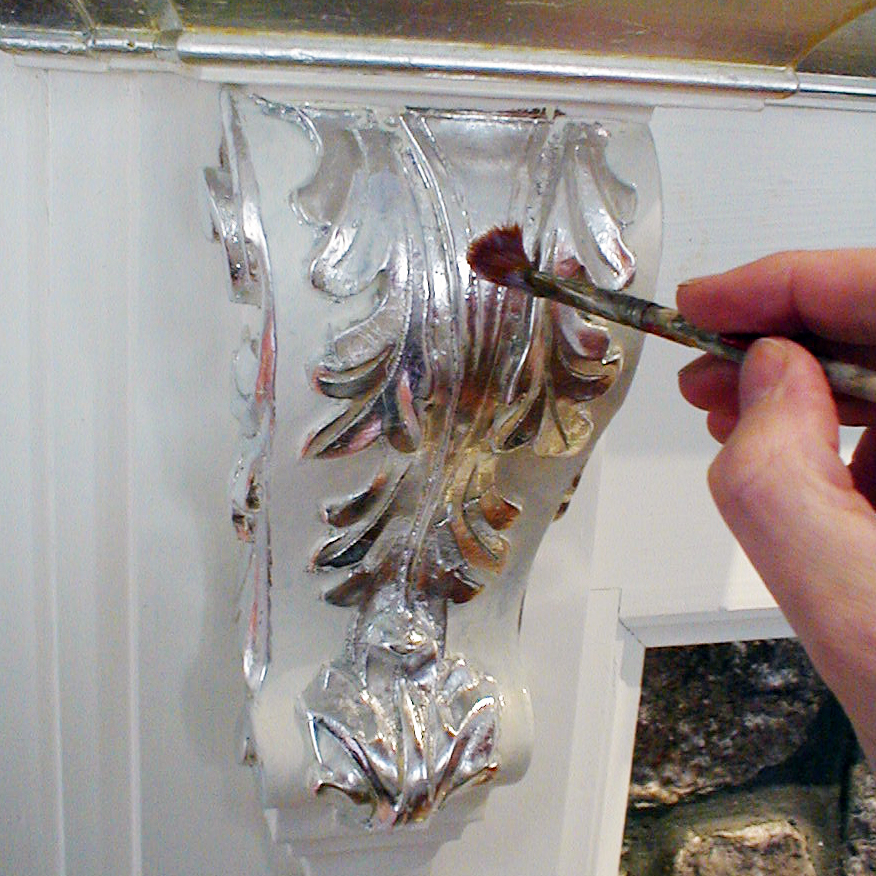
Path 1: Primers and Undercolors
Best for preparing raw or imperfect surfaces before leafing. Burnish Sealer primer is a solvent-based primer-sealer designed to create a dense, smooth, durable undercoat that improves adhesion and supports clean leaf application.
Available in Yellow Ochre, Red, and Grey, these colors can hide faults or enrich the final appearance of the metal leaf depending on the project.
Path 2: Protective Clear Topcoats
Best for projects where the leaf or metal requires protection from abrasion, moisture, UV exposure, or oxidation. This is especially important for imitation gold, copper leaf, genuine silver, and genuine gold below 23kt.
Clear topcoats are available in solvent-based and water-based systems, each with different handling and use-case logic.
Path 3: Specialty Sealing Logic
Best for matching finish sheen, application method, and compatibility. Some sealers are better for brushing or spraying, some are safer water-based systems, and some should not be used over patent leaf or ribbon leaf because of backing residue considerations.
The right sealer is not only about protection. It is also about clarity, sheen, and compatibility with the way the leaf was applied.
Where Primers and Sealers Fit in Gilding
Primers belong at the beginning of the system. They create a stable, smoother, and visually supportive base before size and leaf are introduced. Burnish Sealer is presented by GildedPlanet as a versatile solvent-based priming undercoat for interior and exterior gilding, and it is described as suitable for stone, concrete, brick, marble, wood, plastic, resin, and composite surfaces. For stainless steel, an etching primer is required before Burnish Sealer is used.
Sealers belong at the end of the system, but only when the metal and project call for them. GildedPlanet notes that imitation gold and copper leaf will oxidize over time and therefore require a clear coat sealer. Genuine silver and genuine gold below 23kt also require sealing to prevent oxidation.
Base Color
Yellow ochre, red, and grey primer tones influence the final visual quality of the leaf. Warm tones support gold and copper effects, while grey creates a more balanced base for silver-toned and specialty metal leaves.
Protection
Clear topcoats are used when the metal needs help resisting oxidation, abrasion, moisture, or UV exposure. The right protective layer depends on both the metal and the final use conditions.
Compatibility
Not every clear coat works over every leaf format. GildedPlanet specifically notes that Hydrocote Polyshield should not be used with patent leaf or rolls because of wax residue on the backing paper.
Core Product Direction
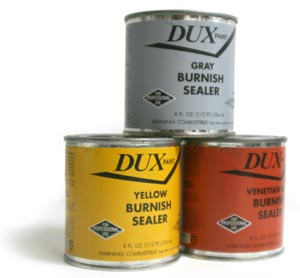
Burnish Sealer Primer
Burnish Sealer primer is described as a solvent-based primer-sealer that dries to handle in about 1 hour, to recoat in 8 hours, and to full cure in 24 hours. It can be brushed, rolled, or sprayed, and GildedPlanet advises not applying it over latex or waterborne paints.
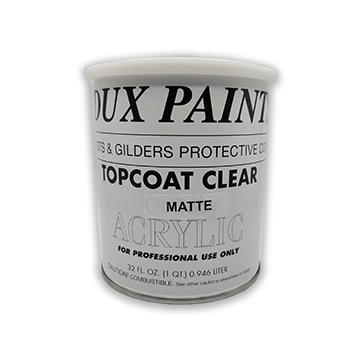
Dux Acrylic Top Coat
Dux Acrylic Topcoat is offered in gloss, satin, and matte as a solvent-based, water-clear protective sealer for genuine and metal leaf. It is positioned for resistance to abrasion, water, UV exposure, and chemicals, and may be applied by brush or spray.
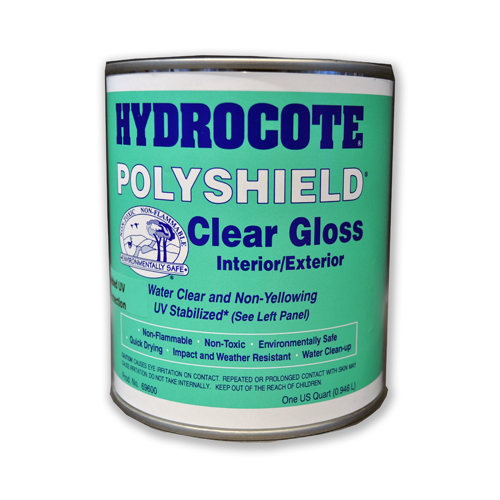
Hydrocote Polyshield
Hydrocote Polyshield is a water-based, non-yellowing polyurethane topcoat available in gloss and satin. It is described as quick drying, water clear, UV stable, and resistant to water and marring when fully cured.
Suggested Starting Sequence
Step 1: Identify the surface and leaf type.
Decide what substrate you are working on and whether the project uses genuine gold, genuine silver, imitation gold, copper, or another metal leaf. That determines whether you need primer, sealer, or both.
Step 2: Choose the undercolor.
Select yellow ochre, red, or grey primer based on the metal you plan to apply and the visual warmth or neutrality you want beneath the leaf.
Step 3: Protect only where required.
Apply a compatible clear topcoat when the metal or the use conditions call for protection, and match the sealer to the leaf format, sheen, and application method.
Using Gold or Copper Tones?
Choose yellow ochre or red Burnish Sealer primer to support warmer leaf finishes and create a stronger visual base for gold and copper effects.
Using Silver or Aluminum Tones?
Choose grey Burnish Sealer primer when the goal is a balanced, cooler foundation beneath silver-toned and specialty white-metal leaf finishes.
Need a Clear Protective Finish?
Choose between solvent-based Dux Acrylic Topcoat and water-based Hydrocote depending on the project, the sheen you want, and compatibility with the leaf format.
Professional Insight
Primers and sealers are often treated as support products, but they quietly determine whether gilding looks clean, durable, and intentional. A good primer improves the visual and physical quality of the surface before the leaf ever touches it. A good sealer protects only where protection is actually needed. Overuse of clear coats can create unnecessary complexity, while underuse can leave vulnerable metals exposed.
The right way to think about this category is simple: primers shape the surface, sealers defend it. When those two decisions are made correctly, the leaf has a much better chance of looking—and lasting—the way it should.