
Copper Leaf Packs, Books and Rolls
Genuine copper sheets for warm, living metal finishes.
Copper leaf offers a rich, warm metal surface that can be left bright, allowed to age naturally, or intentionally patinated. It is ideal for frames, signage, furniture, architectural details, and artwork where you want a more earthy, shifting metallic tone than classic yellow gold.
Use this overview to explore copper leaf options in packs, books, and rolls, and to learn how to seal and protect copper so it performs well in your specific interior or exterior environment.
Not sure how much you need? Get an exact, bulk-optimized quantity before you order.
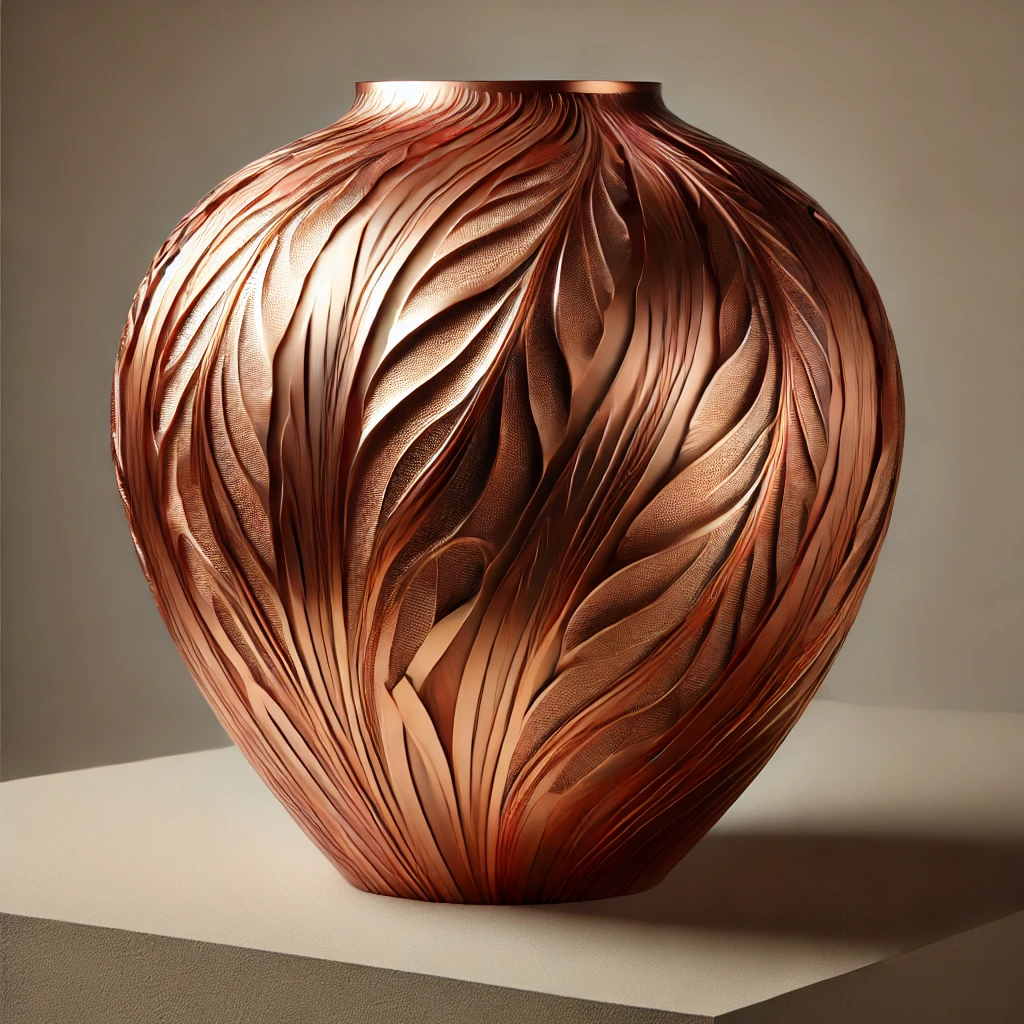
Types of Copper Leaf
- Loose Leaf Copper Sheets: Ideal for traditional gilding techniques, offering flexibility and ease of use for intricate designs.
- Patent Copper Leaf: Backed with a tissue paper that makes it easier to handle, perfect for flat surfaces and larger projects.
- Ribbon Leaf Rolls: Convenient for covering large areas quickly, ribbon leaf rolls are excellent for continuous gilding applications.
Quality and Versatility
Our copper leaf sheets are sourced from the finest manufacturers in Europe and China, ensuring exceptional quality and consistency. Whether you are restoring a historic building, creating a piece of fine art, or adding a touch of elegance to your home decor, our copper leaf products provide the perfect solution.
Applications
- Art: Enhance your paintings, sculptures, and mixed media projects with the warm, reflective beauty of copper leaf.
- Architecture: Ideal for gilding domes, ceilings, and architectural details, copper leaf adds a timeless elegance to any structure.
- Crafts and Decoration: Perfect for a wide range of decorative applications, from furniture and picture frames to custom design elements.
Copper Leaf
Packs and Books
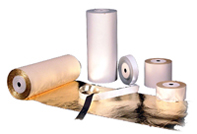
Copper Leaf Rolls
Ribbon Leaf
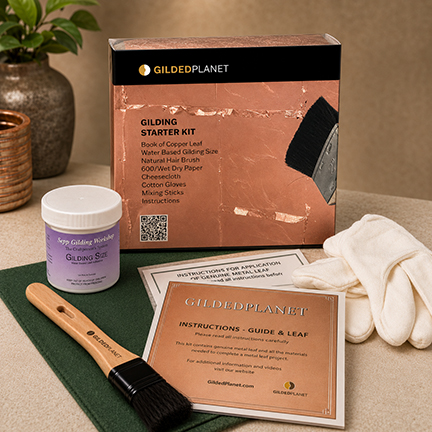
Copper Leaf Kits
Water-based and oil-based Gilding Kits
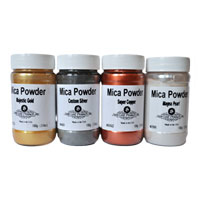
Copper Mica Powder
Non-toxic Copper Mica Powder
Copper Schaibin
Large irregular pieces of Copper Leaf
Copper Schlagmetal
Cost efficient volume packaging
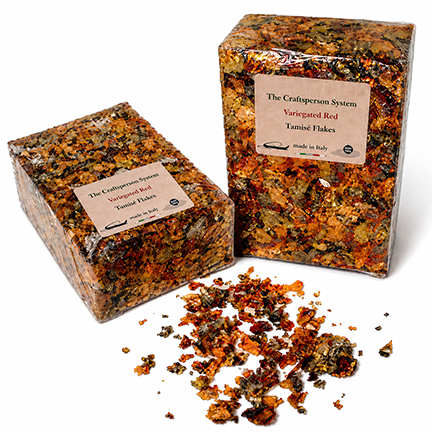
Copper Tamise
Small irregular pieces of Copper Leaf
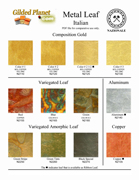
Metal Leaf Color Chart
Imitation Gold Leaf Color Chart
The History of Copper Gilding
Copper gilding has a rich and varied history, tracing its origins back to ancient civilizations. The Egyptians were among the first to utilize copper leaf, adorning their temples, tombs, and statues with this lustrous metal. This practice was not only a testament to their advanced metallurgical skills but also a means to symbolize divinity and immortality.
In ancient Greece and Rome, copper gilding became a prevalent technique for decorating architectural elements, pottery, and coins. The Romans, in particular, perfected the art of gilding, using thin sheets of copper to embellish their grand structures and intricate artworks.
During the medieval period, copper gilding was extensively used in Europe to decorate religious manuscripts, altarpieces, and icons. Monasteries and cathedrals featured gilded elements that highlighted the importance of these sacred spaces.
The Renaissance saw a resurgence in the use of copper gilding, driven by artists and architects who sought to revive classical techniques. The warm, reflective qualities of copper leaf were used to enhance paintings, sculptures, and architectural details, adding a touch of opulence and sophistication.
Modern and Contemporary Artistic Applications
Today, copper gilding continues to be a popular technique among artists and designers. Modern technology has made it easier to produce high-quality copper leaf, allowing for more precise and durable applications. Contemporary artists use copper gilding to create stunning visual effects in various mediums, from fine art paintings and sculptures to interior design and architectural projects.
Copper leaf is valued for its versatility and aesthetic appeal. It can be applied to a wide range of surfaces, including wood, metal, glass, and ceramics. In contemporary art, copper gilding is often used to highlight specific elements of a piece, creating contrast and depth. The reflective nature of copper leaf adds a dynamic quality, changing appearance with the light and the viewer's perspective.
In interior design, copper gilding is used to add a touch of luxury to furniture, walls, and decorative objects. Its warm tones complement modern and traditional settings alike, making it a versatile choice for enhancing the beauty of any space.
Overall, copper gilding remains a timeless technique, bridging the gap between ancient artistry and modern creativity. Its enduring appeal lies in its ability to transform ordinary objects into extraordinary works of art, celebrating both historical craftsmanship and contemporary innovation.
Need a Specific Material?
Genuine Gold Leaf »
Metal and Composition Leaf »
Size and Adhesives »
Join the Resource List
Get tutorials, project guidance, class announcements, and product recommendations.