
- Home
- Pin Striping
Pin Striping
Traditional and modern striping for vehicles, boards, and custom surfaces
Pin striping is the art of applying fine lines, decorative accents, and detailed patterns to surfaces using paint, enamel, or metallic finishes. Most commonly associated with automobiles, trucks, and motorcycles, pin striping extends far beyond vehicles into skateboards, surfboards, helmets, and custom objects where line work adds identity, motion, and visual precision.
Whether hand-painted with a sword brush or applied through modern techniques, pin striping is about control, consistency, and style. From subtle edge accents to bold graphic layouts, the right materials and surface preparation determine both durability and visual impact.
Aerospace
Striping for aircraft and aviation surfaces where precision, durability, and environmental resistance are critical.
Civic
Applications for municipal vehicles, service fleets, and civic branding where consistency and clarity matter.
Fire Trucks
Traditional and modern striping used in fire apparatus, often incorporating gold leaf and high-visibility finishes.
Public Fleets
Durable striping systems for transportation fleets requiring repeatable application and long-term performance.
Surface
Clean, smooth, and properly prepared surfaces ensure consistent line flow and adhesion.
Material
Enamels, urethanes, and specialty paints each behave differently depending on environment and use.
Control
Brush technique, hand stability, and layout planning define the final quality more than the material alone.
Step-by-Step Pin Striping with Tesoro Ribbon Leaf
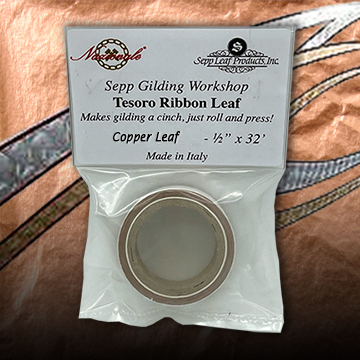
Tesoro Ribbon Leaf offers a clean, efficient way to create metallic pin striping on automobiles, motorcycles, trucks, skateboards, surfboards, helmets, and other smooth custom surfaces. The key to a professional result is careful layout, an even adhesive film, controlled ribbon placement, and a proper protective clear coat.
1. Prep the Surface
Clean the area thoroughly to remove wax, grease, dust, silicone, and any surface contamination. The substrate should be smooth, dry, and fully cured before striping begins. Any dirt, texture, or residue left on the surface will show through the metallic line and can reduce adhesion.
2. Mark the Pattern
Lay out and track the striping pattern before applying any adhesive. Use fine tape, layout marks, or light guide lines to establish spacing, symmetry, and flow. On vehicles and boards, this step is especially important because long curves and changing contours can make even slight errors more noticeable.
3. Apply Oil Based Size
Brush on a thin, even film of oil based adhesive size directly along the striping path. Oil size is recommended here because it self-levels better than water-based size, helping produce a smoother, cleaner line with less drag and fewer irregularities. Allow the size to reach proper tack before laying the ribbon leaf.
4. Lay the Tesoro Ribbon Leaf
Apply Tesoro Ribbon Leaf carefully along the tacky striping line, following the established pattern. Tesoro Ribbon Leaf is available in a range of colors, making it ideal for custom accents, contrasting line work, and decorative detailing. Work slowly and consistently to maintain a clean, continuous metallic stripe.
5. Press and Clean the Line
Gently press the ribbon leaf into the adhesive path so it makes full contact with the sized surface. Remove any excess carefully and inspect the stripe for breaks, gaps, or uneven sections. Small touch-ups can be made while the size is still in the correct working condition.
6. Apply Clear Coat Sealer
A clear coat sealer is required to protect the Tesoro Ribbon Leaf line from abrasion, moisture, handling, and environmental wear. Apply the clear coat only after the striping has fully set according to the adhesive manufacturer’s guidance. This final layer protects the metallic finish and helps integrate the stripe into the overall surface.
Best Surfaces
Tesoro Ribbon Leaf striping works best on smooth, stable, sealed surfaces such as painted automotive panels, motorcycle tanks, helmets, boards, and prepared sign surfaces.
Why Oil Size
Oil based size is preferred for this technique because it levels more smoothly than water-based size, giving the metallic stripe a cleaner and more uniform appearance.
Professional Tip
The sharper the layout and the thinner the adhesive film, the cleaner the final stripe. In pin striping, accuracy in preparation matters just as much as the decorative material itself.
Professional Insight
Pin striping is one of the few decorative techniques where execution is immediately visible. There is no hiding a wavering line. That is why professionals focus heavily on surface prep, brush control, and flow consistency. The material supports the work—but the hand defines it.